

Stainless Steel Railing for Public Bridge Areas
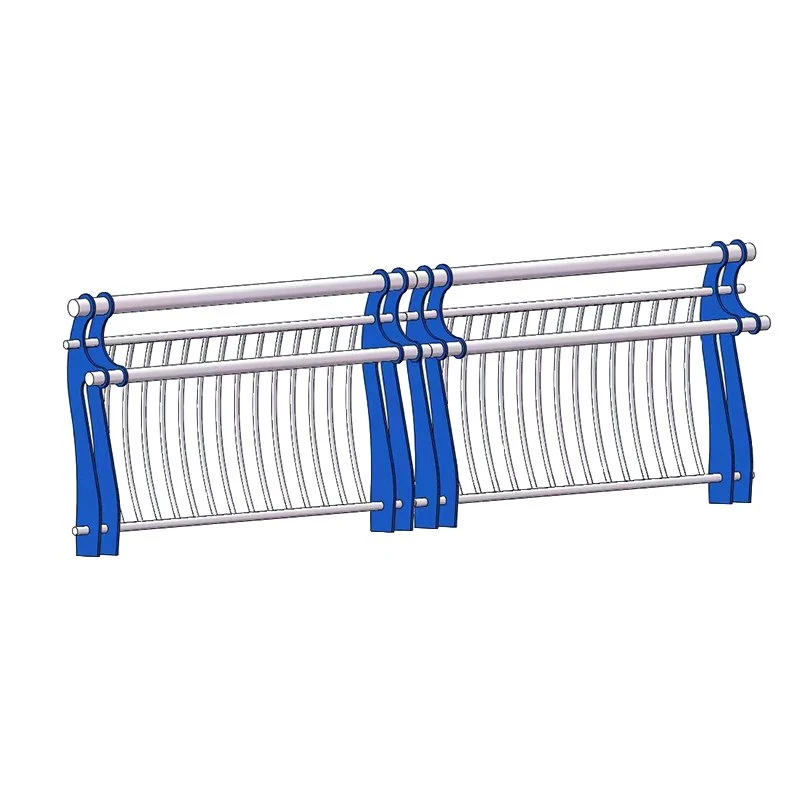
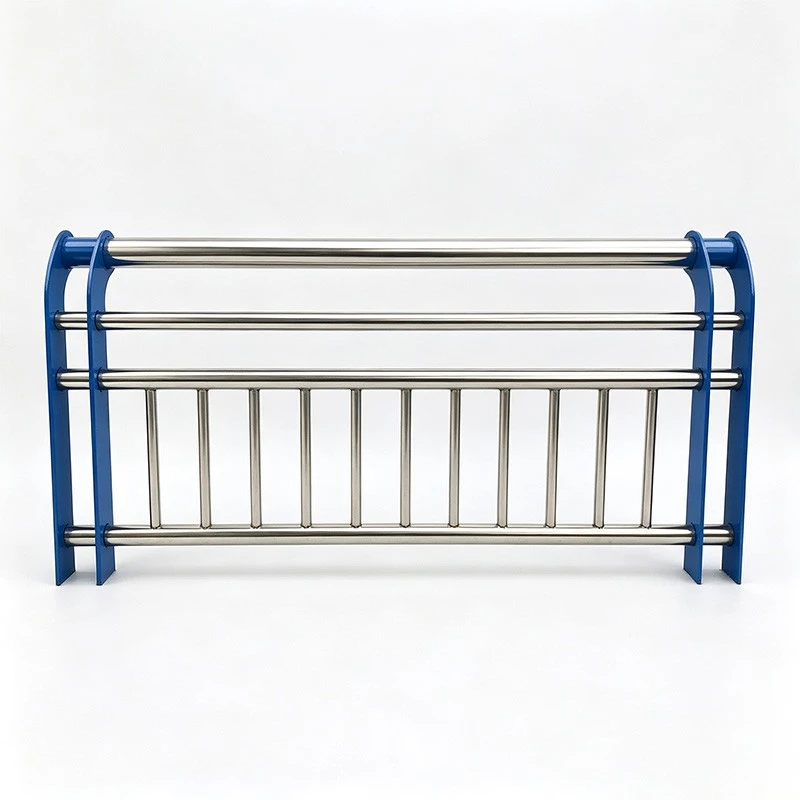
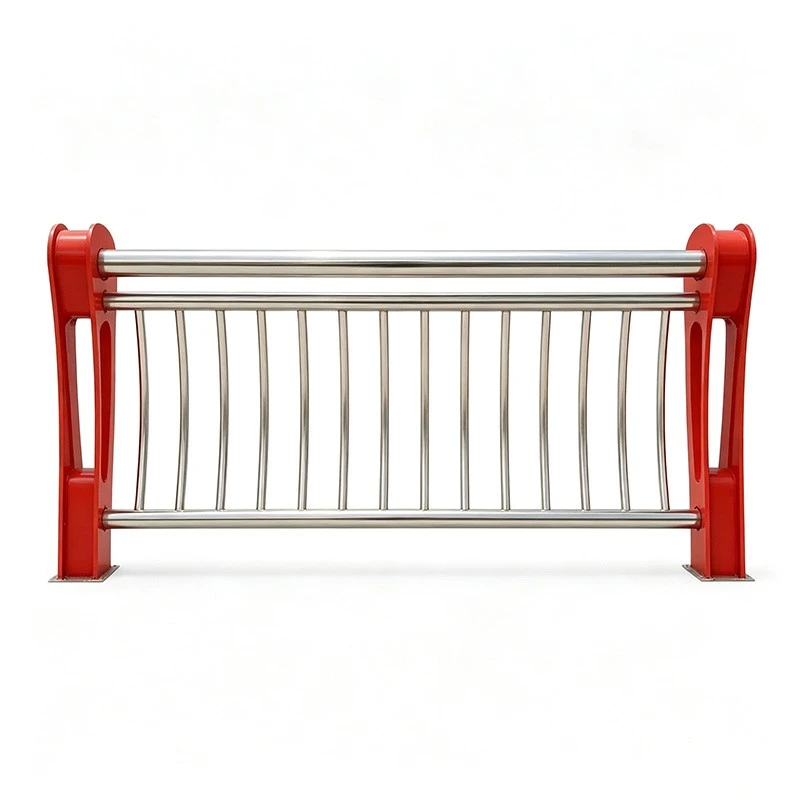
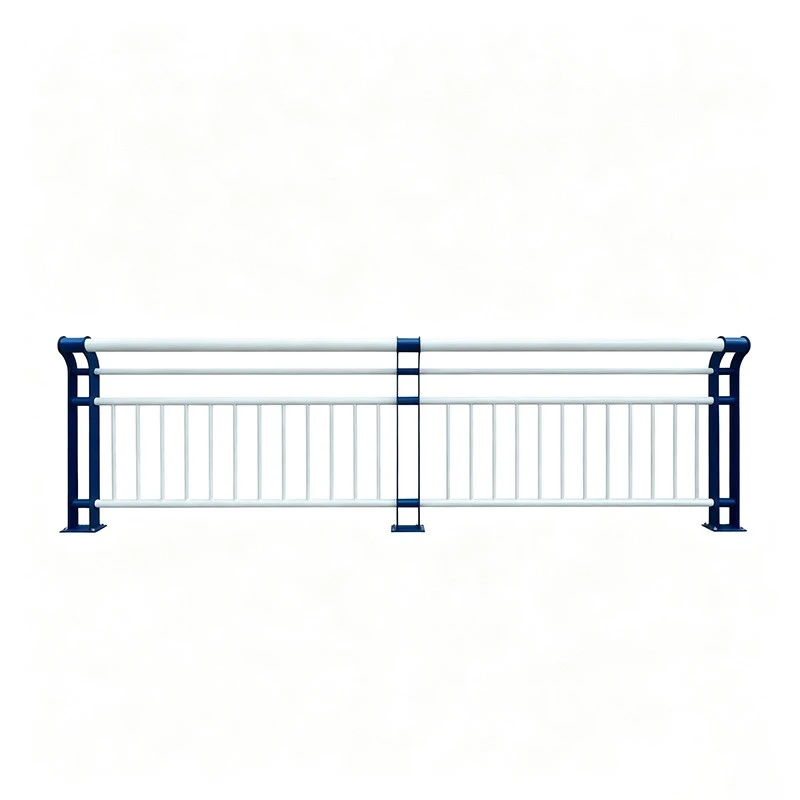
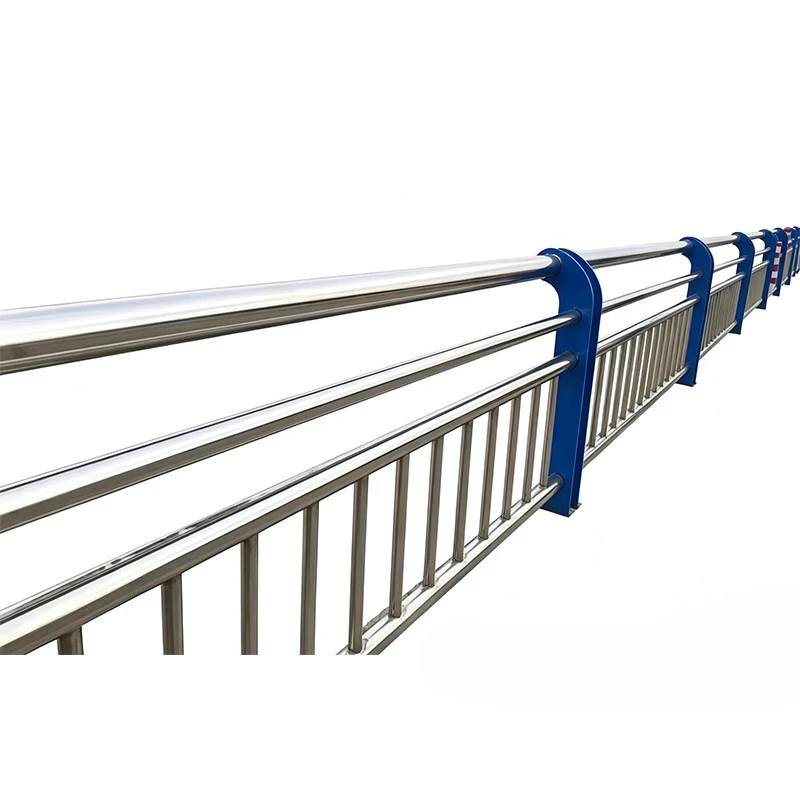
Stainless steel bridge railings are manufactured from stainless steel tubes, profiles, or plates. They can be designed with horizontal rails, vertical bars, framed sections, or combined structures according to the bridge and architectural drawings.
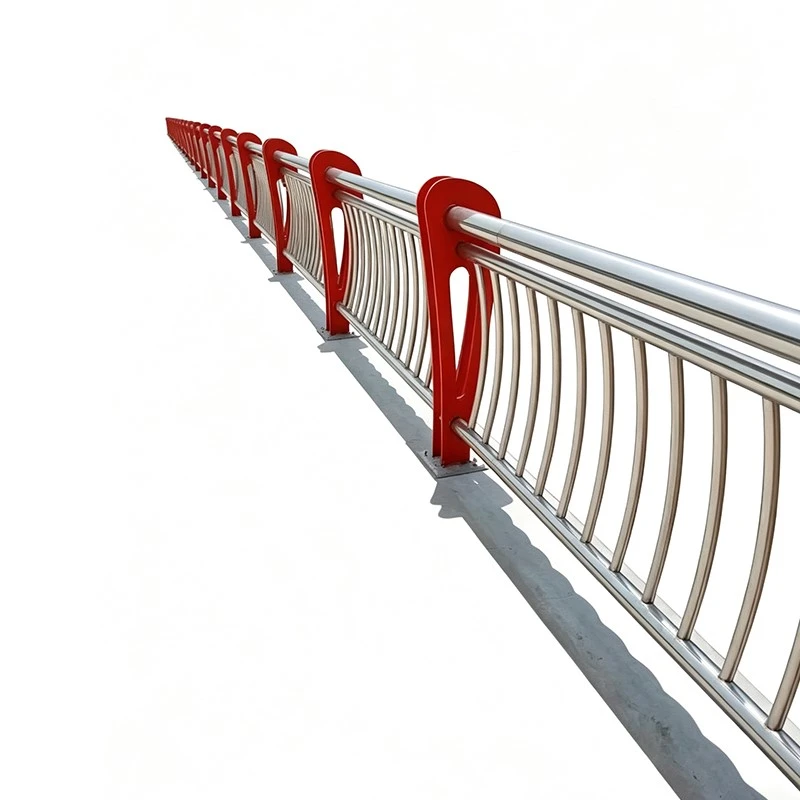
Available surface finishes include brushed, matt, mirror-polished, sandblasted, and passivated surfaces. The clean metal appearance is suitable for bridges and public spaces that require weather resistance, manageable cleaning, and a modern architectural finish.
Common material options include 304, 316, and 316L stainless steel. The final grade should be selected according to humidity, chloride exposure, technical requirements, and project budget.
This product is mainly intended for pedestrian boundary protection and space separation. It should not be used directly as a vehicle crash barrier unless a dedicated structural design and verification process has been completed.
Material Grades and Structural Dimensions
The common railing height is 1100–1400 mm, and typical post spacing is 1000–1500 mm. Stainless steel tube wall thickness normally ranges from 1.5 mm to 4.0 mm.
The railing can be installed through base plates and anchors. Special connection details can also be designed according to the position of embedded components. Hidden bolts and decorative covers may be added to improve the appearance of the installed connection points.
Grade 304 is suitable for general outdoor environments. Grades 316 and 316L may be considered where humidity and chloride exposure are more significant. However, the use of stainless steel does not mean that surface staining or corrosion can never occur.
Long-term appearance is affected by material grade, treatment of welding heat-affected areas, surface contamination removal, passivation, and contact with other metals. Buyers should clearly identify the material grade and finish in the order documents.
Customized Units and Surface Quality
For urban landscape bridges, pedestrian bridges, waterfront walkways, and commercial connecting corridors, the factory can produce units according to elevation and detail drawings.
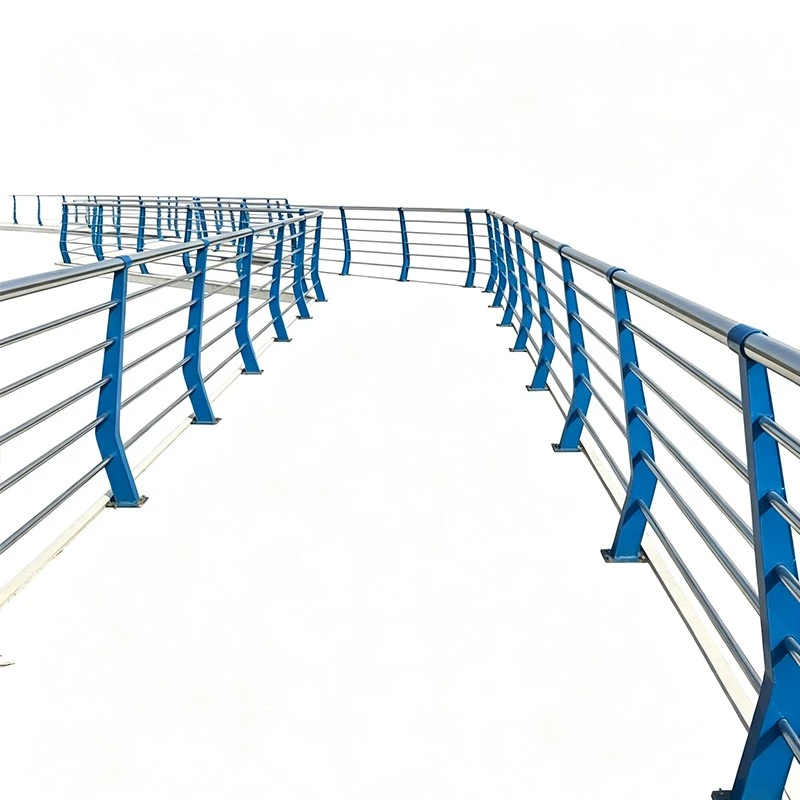
The technical team can check railing height, tube size, post spacing, base plate structure, and surface finish. Railing units can be divided according to bridge curves, slopes, installation areas, and transport conditions.
Hidden connections, decorative covers, or mixed tube arrangements can be reviewed through a sample or first piece. The assembly gap, dimensions, and overall appearance are confirmed before batch production.
Quality inspection for stainless steel bridge railings focuses on the material grade, tube wall thickness, weld appearance, component dimensions, base plate hole positions, and surface condition. Buyers may visit the factory or arrange third-party sampling. Photos and videos can also be supplied during production.
Production and Protective Packing
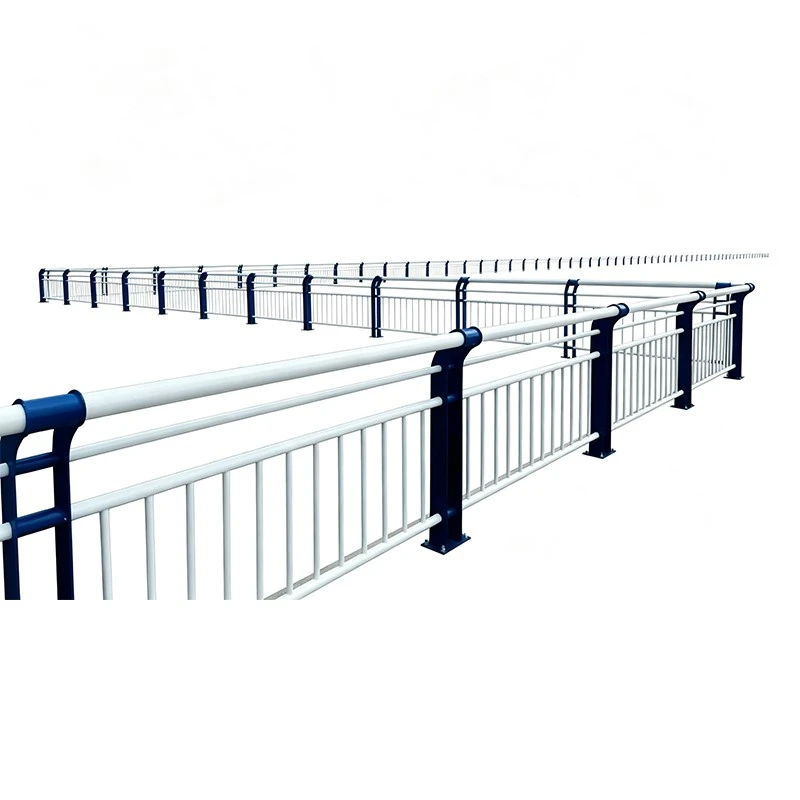
Drawing-based products normally require about 10–15 days after confirmation. Available samples can be shipped directly, while customized samples usually require about 3–7 days.
For export packing, soft separators and protective film are placed between polished or brushed surfaces. Connection components are packed separately to prevent direct friction between different metal parts.
When surface dents, scratches, or transport damage are found after delivery, the buyer should retain the packaging condition, photos, videos, and transport documents. The factory can review the issue according to the production and shipment records.


Product Specifications
|
Parameter |
Available Configuration |
|
Stainless Steel Grade |
304, 316, or 316L |
|
Railing Height |
1100–1400 mm |
|
Post Spacing |
1000–1500 mm |
|
Tube Wall Thickness |
1.5–4.0 mm |
|
Surface Finish |
Brushed, matt, mirror polished, sandblasted, or passivated |
Hot Tags: stainless steel bridge railings, China stainless steel bridge railings manufacturers, suppliers, factory


