

Installing a large-scale sign on a cantilever sign pole in a sports stadium is a complex yet rewarding project that requires careful planning, precision execution, and a deep understanding of safety protocols. As a leading Cantilever Sign Pole supplier, I've had the privilege of being involved in numerous such installations, and I'm here to share my insights and expertise on how to tackle this challenging task effectively.
Pre-Installation Planning
Site Assessment
The first step in any successful sign installation is a thorough site assessment. In a sports stadium, factors such as the layout, traffic flow, lighting conditions, and the structural integrity of the chosen location for the cantilever sign pole are crucial. You need to determine the best position for maximum visibility without obstructing the view of spectators or interfering with stadium operations. It's also important to consider the wind load and seismic activity in the area, as these factors can significantly impact the stability of the sign and pole.
Sign Design and Sizing
Once you've identified the ideal location, the next step is to design the sign itself. The sign should be large enough to be visible from a distance but not so large that it becomes an eyesore or poses a safety risk. Consider the font size, color contrast, and graphics to ensure that the message is clear and easy to read, even in low-light conditions. Additionally, work with a professional designer to ensure that the sign's design complies with all relevant safety and aesthetic standards.
Pole Selection
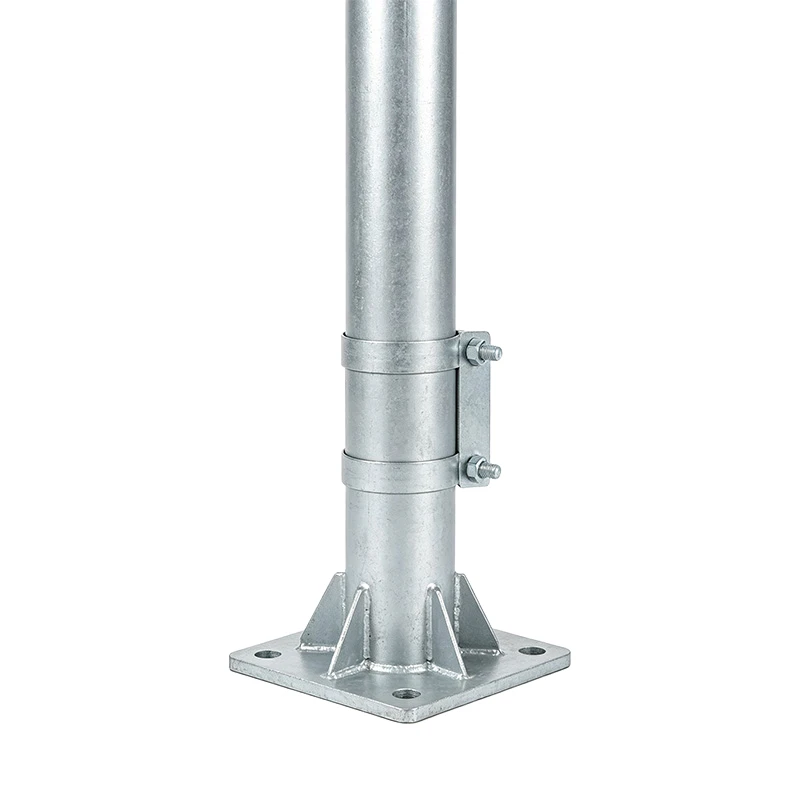
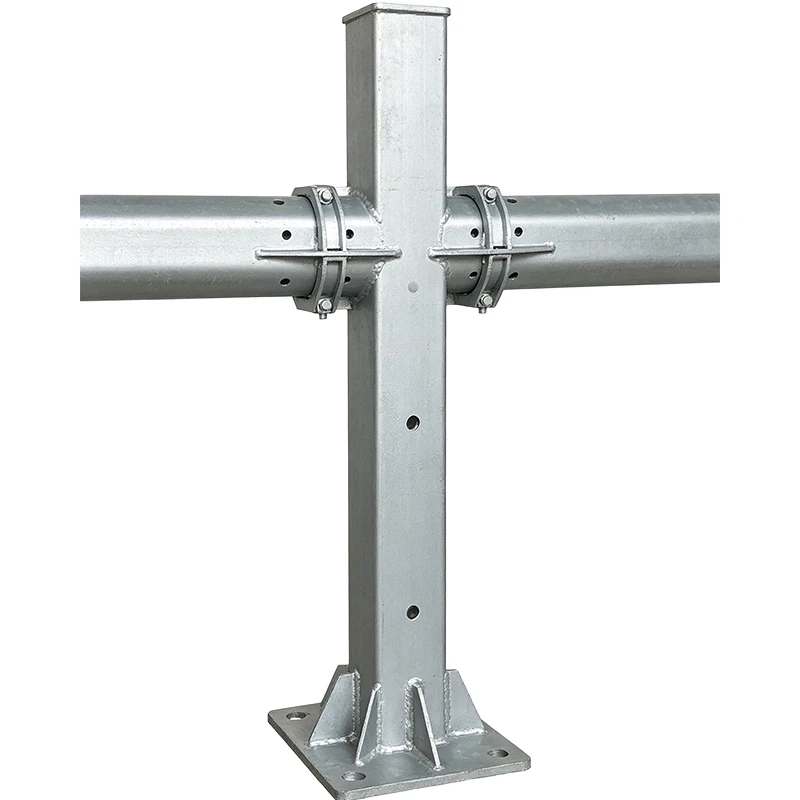
As a Cantilever Sign Pole supplier, I understand the importance of choosing the right pole for the job. There are several factors to consider when selecting a cantilever sign pole, including its height, weight capacity, material, and finish. For a large-scale sign in a sports stadium, you'll typically need a heavy-duty pole that can withstand high winds and other environmental stresses. Our Cantilever Sign Pole offerings are designed to meet these exacting requirements, providing a reliable and durable solution for your signage needs.
Permits and Approvals
Before you begin any installation work, it's essential to obtain all the necessary permits and approvals from the relevant authorities. This may include building permits, zoning approvals, and safety inspections. Failure to comply with these requirements can result in costly fines and delays, so it's crucial to do your due diligence upfront.
Installation Process
Foundation Installation
The foundation is the most critical component of any cantilever sign pole installation. A strong and stable foundation is essential to ensure the long-term safety and stability of the sign. The foundation should be designed to support the weight of the pole and sign, as well as any additional loads such as wind and seismic forces.Depending on the soil conditions and the size of the pole, you may need to use a concrete foundation, a helical pile foundation, or a combination of both.
Pole Assembly
Once the foundation is in place, it's time to assemble the cantilever sign pole. This typically involves bolting together the various sections of the pole and attaching any necessary hardware, such as brackets and braces. It's important to follow the manufacturer's instructions carefully to ensure that the pole is assembled correctly and safely.
Sign Installation
With the pole in place, the next step is to install the sign itself. This can be a challenging task, especially for large-scale signs. You'll need to use a crane or other lifting equipment to hoist the sign into position and secure it to the pole. It's important to ensure that the sign is level and properly aligned to ensure maximum visibility and safety.
Electrical Wiring
If your sign requires electrical power, you'll need to install the necessary wiring and electrical components. This should be done by a licensed electrician to ensure compliance with all relevant electrical codes and safety standards. The wiring should be routed safely and securely to avoid any potential hazards.
Post-Installation Checks and Maintenance
Safety Inspections
Once the installation is complete, it's essential to conduct a thorough safety inspection to ensure that the sign and pole are safe and stable. This should include a visual inspection of the pole, sign, and foundation, as well as a check of all electrical connections and components. Any issues or concerns should be addressed immediately to prevent any potential safety hazards.
Maintenance Schedule
To ensure the long-term performance and durability of your cantilever sign pole and sign, it's important to establish a regular maintenance schedule. This should include periodic inspections, cleaning, and any necessary repairs or replacements. Regular maintenance can help to prevent costly breakdowns and ensure that your sign remains visible and effective for years to come.
Conclusion
Installing a large-scale sign on a cantilever sign pole in a sports stadium is a complex and challenging project, but with the right planning, execution, and maintenance, it can also be a highly rewarding one. As a Cantilever Sign Pole supplier, we're committed to providing our customers with the highest quality products and services to ensure the success of their signage projects. If you're interested in learning more about our Cantilever Sign Pole offerings or need assistance with your next sign installation project, please don't hesitate to contact us. We'd be happy to discuss your specific needs and provide you with a customized solution that meets your requirements.
In addition to our cantilever sign poles, we also offer a wide range of other traffic sign poles, including Metal Road Sign Post, Highway Sign Pole, Galvanized Sign Pole, and Steel Traffic Sign Pole. These products are designed to meet the diverse needs of our customers and provide a reliable and cost-effective solution for their traffic signage needs.
If you're in the market for a high-quality cantilever sign pole or other traffic sign poles, we encourage you to contact us to discuss your options. Our team of experts is here to help you every step of the way, from design and planning to installation and maintenance. Let us help you make your signage project a success.
References
- Federal Highway Administration. (2023). Manual on Uniform Traffic Control Devices (MUTCD).
- International Building Code (IBC). (2022). Building Code Requirements for Structural Steel.