

Yo, what's up everyone! I'm a supplier of traffic sign poles, and I've been getting a lot of questions lately about how these poles can withstand strong winds. It's a super important topic, especially in areas prone to storms and high - velocity winds. So, I thought I'd break it down for you in this blog.
The Basics of Wind Forces on Traffic Sign Poles
First things first, let's talk about the forces that wind exerts on traffic sign poles. When the wind blows, it creates two main types of forces: drag force and lift force. The drag force is the one that pushes the pole and the sign in the direction of the wind. It's like when you stick your hand out of a moving car window, and you can feel the air pushing against it. The stronger the wind, the greater this drag force.
The lift force, on the other hand, acts perpendicular to the direction of the wind. It can cause the pole to tilt or even lift off the ground in extreme cases. These forces can be pretty intense during a big storm, and that's why our traffic sign poles need to be built tough.
Design Features for Wind Resistance
Material Selection
One of the key factors in making traffic sign poles wind - resistant is the choice of materials. We mainly use high - strength steel for our Steel Traffic Sign Pole. Steel is an amazing material because it's strong, durable, and can handle a lot of stress. It has high tensile strength, which means it can resist being pulled apart by the wind forces.
Another option we offer is the Galvanized Sign Pole. Galvanization is a process where a protective zinc coating is applied to the steel. This not only makes the pole more resistant to corrosion but also adds a bit of extra strength. The zinc coating can absorb some of the impact of the wind forces and prevent the steel from getting damaged.
Shape and Structure
The shape of the traffic sign pole also plays a huge role in wind resistance. Most of our poles are tapered, which means they are wider at the base and narrower at the top. This design helps to distribute the wind forces more evenly along the length of the pole. When the wind hits the wider base, it has more surface area to push against, but the tapered shape gradually reduces the area as it goes up, reducing the overall force on the upper part of the pole.
We also use different structural designs depending on the location and the expected wind speeds. For example, Cantilever Sign Pole are often used in areas where there are multiple signs or where the signs need to be extended over the road. These poles are designed with a strong support system that can handle the additional weight of the signs and the wind forces acting on them.
Installation Matters
Proper installation is crucial for a traffic sign pole to withstand strong winds. We always make sure that the pole is installed in a solid foundation. For most of our poles, we dig a deep hole and pour a large concrete foundation. The foundation acts as an anchor, holding the pole firmly in place. The size and depth of the foundation depend on the height and weight of the pole and the expected wind loads in the area.
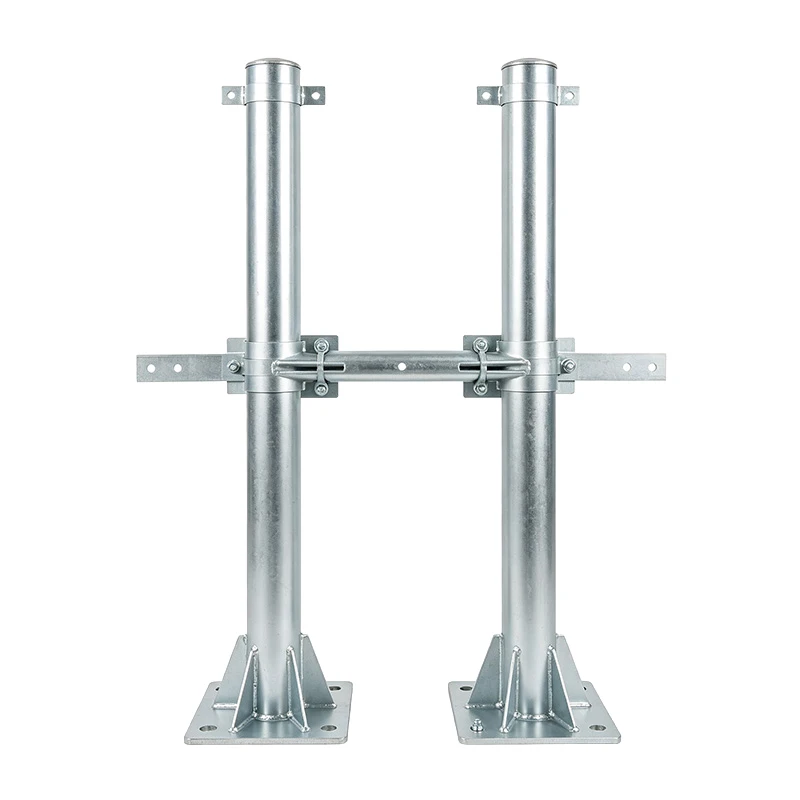
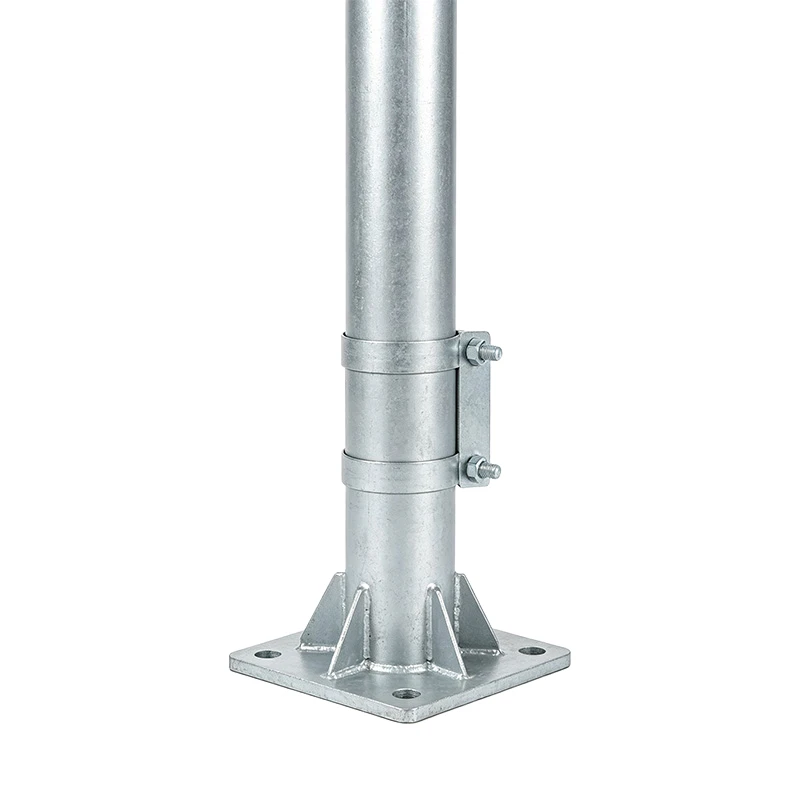
We also use special bolts and brackets to secure the pole to the foundation. These fasteners are made of high - strength materials and are designed to withstand the stress of the wind forces. During the installation process, we check the alignment of the pole to make sure it's perfectly vertical. A misaligned pole can be more vulnerable to wind damage because the forces won't be distributed evenly.
Testing and Certification
Before we sell any of our traffic sign poles, we put them through rigorous testing. We use computer simulations to model the wind forces on the poles and predict how they will perform under different wind conditions. We also conduct physical tests in wind tunnels, where we can create controlled wind environments and measure the response of the poles.
Our poles are certified to meet industry standards for wind resistance. This means that they have been tested and proven to withstand a certain level of wind speeds. For example, in areas with high - wind risk, our poles are designed to handle wind speeds of up to 150 miles per hour.
Real - World Examples
I've seen firsthand how well our traffic sign poles can withstand strong winds. A few years ago, there was a big hurricane in a coastal area where we had installed some Highway Sign Pole. The wind speeds were extremely high, but when we went to check on the poles after the storm, most of them were still standing strong. There were only a few minor damages to the signs, but the poles themselves were in good shape.
Another time, we installed some Metal Road Sign Post in a mountainous area prone to strong gusts. These poles have been up for years, and they've withstood countless strong winds. The local authorities were really impressed with their performance.
Why Choose Our Traffic Sign Poles
If you're in the market for traffic sign poles, there are a few reasons why you should choose ours. First of all, our poles are built to last. We use high - quality materials and advanced manufacturing techniques to ensure that they can handle the toughest wind conditions.
Secondly, we offer a wide range of options. Whether you need a simple Metal Road Sign Post for a small street or a large Highway Sign Pole for a major road, we've got you covered.
Finally, we provide excellent customer service. Our team of experts can help you choose the right type of pole for your specific needs and ensure that it's installed correctly.
If you're interested in purchasing traffic sign poles or have any questions about our products, don't hesitate to reach out. We're always here to help you make the best decision for your traffic signage project.
References
- "Wind Engineering for Buildings and Structures" by A. G. Davenport
- "Design of Steel Structures" by S. K. Duggal