

In the realm of traffic infrastructure, traffic sign poles are indispensable components that ensure the safety and efficiency of transportation. When it comes to choosing the right material for these poles, steel and aluminum are two of the most popular options. As a supplier of Steel Traffic Sign Poles, I am often asked how steel poles compare in price to aluminum ones. In this blog post, I will delve into this topic, providing a comprehensive analysis of the price differences between steel and aluminum traffic sign poles.
Cost Factors of Steel Traffic Sign Poles
To understand the price comparison, we first need to examine the cost factors associated with steel traffic sign poles. Steel is a material known for its strength and durability. It can withstand harsh weather conditions, heavy winds, and impacts, making it ideal for long - term use in traffic applications.
The raw material cost of steel is a significant determinant of the pole price. Steel prices are subject to market fluctuations, influenced by factors such as global supply and demand, production costs, and trade policies. Generally, when steel production is high and demand is stable, the cost of steel may be relatively lower. However, if there are disruptions in the supply chain, such as labor strikes in steel - producing regions or increased raw material costs (like the price of iron ore), the cost of steel will rise.
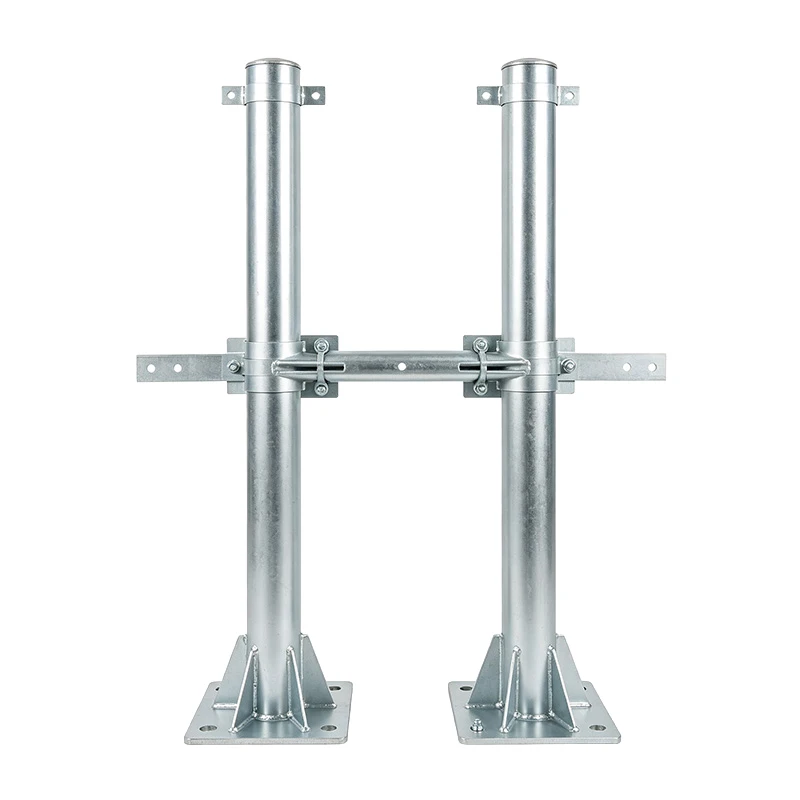
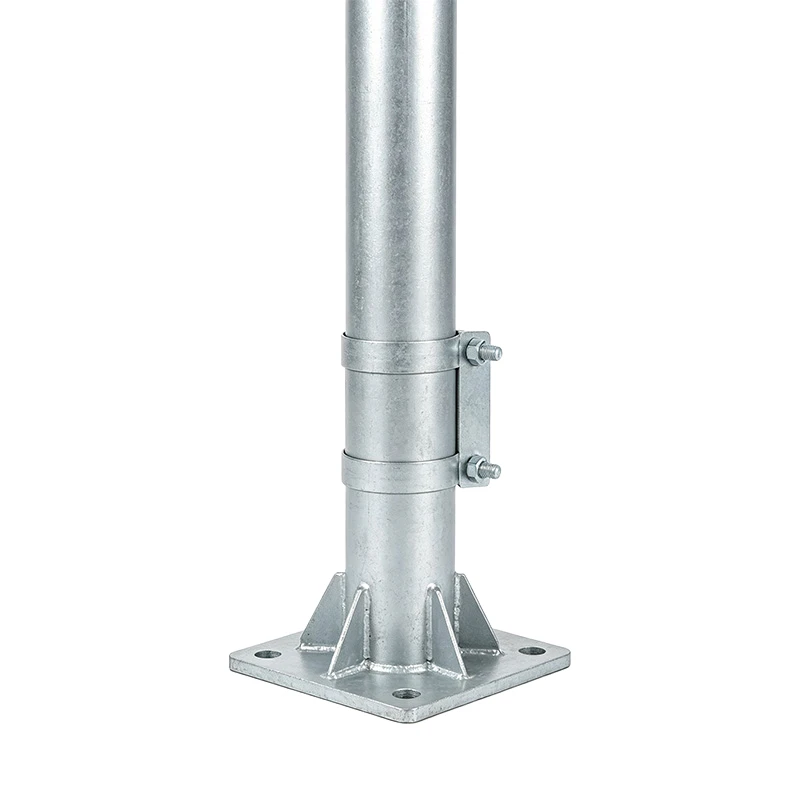
Manufacturing processes also contribute to the price. Steel traffic sign poles often require galvanization or powder - coating to prevent corrosion. Galvanized Sign Poles, for example, go through a hot - dip galvanizing process where the steel is coated with a layer of zinc. This process adds to the production cost but significantly extends the lifespan of the pole. Galvanized Sign Pole
In addition, the design and size of the steel pole play a role. Highway Sign Poles are usually larger and more complex in design compared to regular roadside sign poles. They need to support larger signs and withstand stronger winds due to the high - speed traffic on highways. The increased material and manufacturing requirements for these poles lead to higher prices. Highway Sign Pole
Cost Factors of Aluminum Traffic Sign Poles
Aluminum is a lightweight metal that offers several advantages. It is highly resistant to corrosion without the need for additional coating in many cases, which can simplify the manufacturing process.
The raw material cost of aluminum also fluctuates based on market conditions. Aluminum production is energy - intensive, and changes in energy prices can have a significant impact on its cost. Additionally, global aluminum supply and demand dynamics affect the price. For instance, if there is an increase in demand for aluminum in the automotive or aerospace industries, the price for traffic sign pole manufacturers may go up.
The lightweight nature of aluminum makes it easier to transport and install, which can potentially reduce installation costs. However, the manufacturing of aluminum poles may require specialized equipment due to the unique properties of the metal. This can add to the overall production cost.
Price Comparison
In general, steel traffic sign poles tend to be more cost - effective in the long run. Although the initial purchase price of steel poles may be higher than that of aluminum poles, especially for basic designs, their durability and long lifespan offset the upfront cost.
A simple Metal Road Sign Post made of aluminum may have a lower price tag compared to a similar - sized steel post. However, over time, the aluminum post may be more prone to dents and scratches, and in certain environments, it may still require some form of protective coating to prevent long - term corrosion. On the other hand, steel posts, especially those that are properly galvanized, can last for decades with minimal maintenance. Metal Road Sign Post
For more complex structures like Cantilever Sign Poles, the price difference becomes even more significant. Cantilever sign poles need to be strong enough to support large signs at an extended distance. Steel is better suited for this application due to its high strength - to - weight ratio. The cost of manufacturing a steel cantilever sign pole may be higher initially, but considering the long - term performance and reliability, it is often a more economical choice. Cantilever Sign Pole
Other Considerations
Beyond price, there are other factors to consider when choosing between steel and aluminum traffic sign poles.
Environmental impact is one such factor. Steel is a highly recyclable material, with a large percentage of steel produced from recycled scrap. Aluminum is also recyclable, but the energy required to recycle aluminum is relatively high compared to steel.
In terms of aesthetics, aluminum poles may offer a sleeker and more modern look, which can be an advantage in some urban or high - end developments. However, steel poles can also be painted or coated in various colors to meet different aesthetic requirements.
Conclusion
In conclusion, while aluminum traffic sign poles may have a lower initial price in some cases, steel traffic sign poles offer better long - term value. The strength, durability, and recyclability of steel make it a reliable choice for traffic infrastructure projects. As a supplier of Steel Traffic Sign Pole, I am confident in the quality and cost - effectiveness of our products.
If you are in the process of selecting traffic sign poles for your project, I invite you to contact me to discuss your specific requirements. Whether it's a small local road project or a large - scale highway construction, we can provide you with the right solution at a competitive price. Let's work together to ensure the safety and functionality of your traffic infrastructure.
References
- American Iron and Steel Institute. (2023). Steel: A Sustainable Choice.
- Aluminum Association. (2023). Aluminum: Benefits and Applications.
- Federal Highway Administration. (2023). Traffic Sign Design and Installation Guidelines.