

Earthquakes pose significant threats to the infrastructure in seismic - prone regions, and bridges are among the most vulnerable structures. Bridge guardrails, as an essential safety component of bridges, play a crucial role in protecting motorists and pedestrians during and after an earthquake. As a seasoned bridge guardrails supplier, I've witnessed firsthand the importance of their performance in earthquake - prone areas.
Structural Resilience and Flexibility
In earthquake - prone areas, the ground shakes violently, which exerts tremendous forces on bridges and their components, including guardrails. One of the key factors in determining how well bridge guardrails perform is their structural resilience. Guardrails need to be strong enough to withstand the lateral forces induced by the earthquake.
High - strength materials such as galvanized steel are commonly used in bridge guardrails for their ability to resist the extreme forces generated during seismic events. For example, Galvanized Steel Bridge Guardrail is designed to provide a high level of protection. The galvanization process not only enhances the steel's corrosion resistance but also adds to its overall strength. During an earthquake, guardrails made of galvanized steel can effectively absorb and dissipate the seismic energy, reducing the risk of collapse.
However, strength alone is not enough. Flexibility is also crucial. A rigid guardrail may break under the excessive stress of an earthquake. Modern bridge guardrails are often engineered to have a certain degree of flexibility. This allows them to bend and absorb the energy of the seismic waves rather than shattering. Some advanced designs incorporate shock - absorbing components, such as polyurethane pads or rubber buffers, which help in cushioning the impact and preventing sudden failure.
Connection to the Bridge Structure
The way guardrails are connected to the bridge structure is another critical aspect of their performance in earthquake - prone areas. A weak connection can lead to the detachment of the guardrail during an earthquake, rendering it ineffective. Therefore, robust connection methods are essential.
Bolted connections are commonly used in many bridge guardrails. These connections need to be designed with sufficient strength and pre - tension to ensure that the guardrail remains firmly attached to the bridge deck even under severe shaking. Regular inspections are also necessary to check for any signs of loosening or damage to the bolts.
In addition, proper anchorage of the guardrail posts into the bridge structure is vital. The posts should be embedded deeply enough in the bridge deck or foundation to provide a stable base. The use of reinforced concrete around the posts can further enhance the connection and increase the overall stability of the guardrail system.
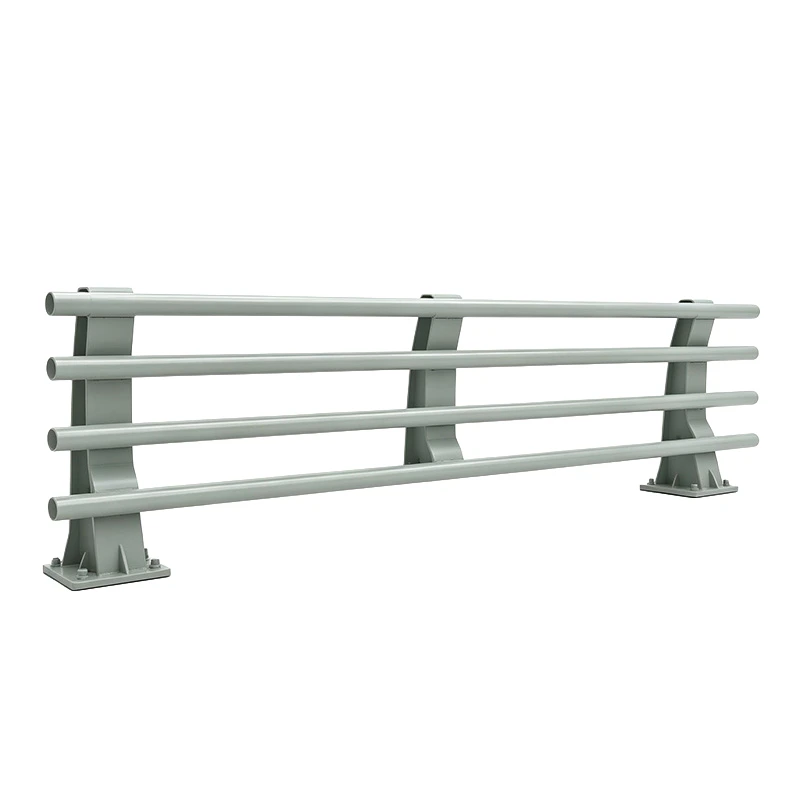
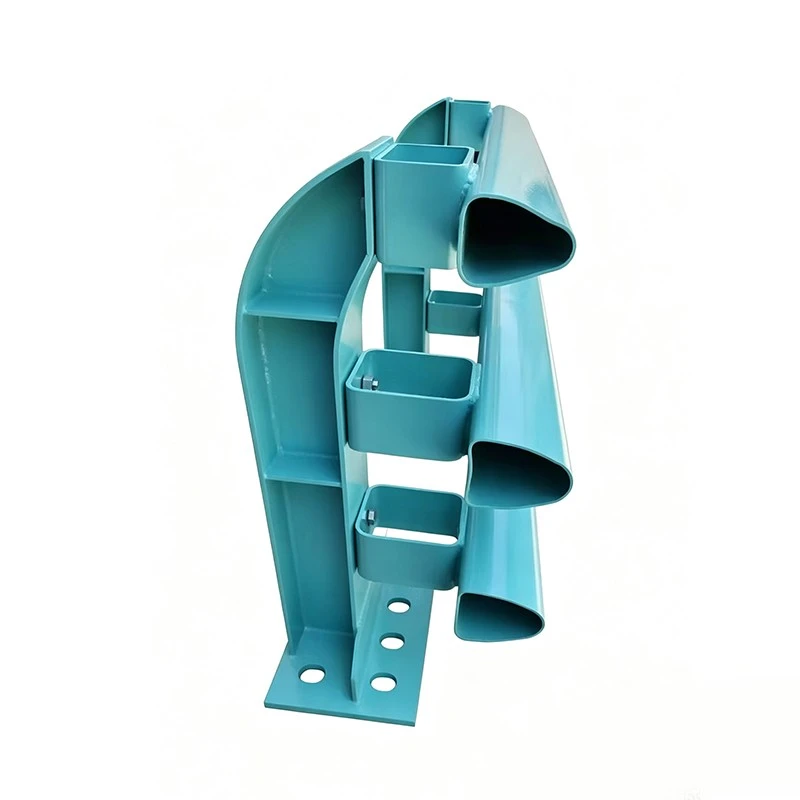
Compatibility with Different Bridge Types
Earthquake - prone areas often have a variety of bridge types, including beam bridges, arch bridges, and suspension bridges. Each type of bridge has its own dynamic characteristics during an earthquake, and the guardrails need to be compatible with these characteristics.
For example, beam bridges are more prone to vertical and horizontal displacements during an earthquake. Guardrails for beam bridges should be designed to accommodate these displacements without losing their functionality. The Highway Bridge W Beam Crash Guardrail is a popular choice for beam bridges. Its W - beam design provides good flexibility and can effectively resist the lateral forces generated by seismic activity.
Arch bridges, on the other hand, have a different load - distribution pattern. The guardrails for arch bridges need to be designed to follow the curvature of the bridge and withstand the unique forces generated by the arch's movement. Specialized guardrail designs are required to ensure that they are integrated seamlessly with the arch structure and can perform well during an earthquake.
Durability in Harsh Environments
In addition to seismic forces, bridge guardrails in earthquake - prone areas often face other challenges, such as environmental factors. Earthquakes can sometimes be accompanied by other natural disasters like tsunamis, floods, or strong winds, which can cause additional damage to the guardrails. Moreover, the frequent exposure to moisture, salt, and other corrosive substances can deteriorate the guardrails over time.
Aluminum alloy and stainless steel are two materials known for their high corrosion resistance. Aluminum Alloy Bridge Railings are lightweight yet strong, making them suitable for seismic areas. They can resist rust and corrosion even in harsh coastal or industrial environments. Similarly, Stainless Steel Bridge Railings offer excellent durability and aesthetic appeal. Their resistance to corrosion ensures that the guardrails maintain their structural integrity over a long period, reducing the need for frequent replacements.
Aesthetic and Decorative Considerations
Bridge guardrails are not only functional but also contribute to the overall aesthetic of the bridge. In earthquake - prone areas where tourism and cultural heritage are important, decorative bridge railings can enhance the visual appeal of the bridge while still providing safety.
Decorative Bridge Railing comes in a variety of designs, from simple geometric patterns to elaborate artistic motifs. Advanced manufacturing techniques allow these decorative elements to be integrated with the structural components of the guardrail, ensuring that aesthetic appeal does not compromise safety. Moreover, high - quality decorative guardrails can be made from materials that are also suitable for seismic conditions, providing both form and function.
Importance of Testing and Certification
To ensure that bridge guardrails perform well in earthquake - prone areas, proper testing and certification are essential. Various standards and codes have been established to evaluate the seismic performance of bridge guardrails. These tests typically simulate the seismic forces and conditions that the guardrails may encounter during an earthquake.
By undergoing rigorous testing, bridge guardrails can be certified to meet the required safety standards. This not only gives confidence to bridge designers, engineers, and contractors but also provides assurance to the public that the guardrails are reliable. Our company is committed to ensuring that all our bridge guardrails meet or exceed the relevant seismic performance standards through comprehensive testing and quality control measures.
Contact for Procurement and Consultation
If you are involved in a bridge project in an earthquake - prone area and are in need of high - quality bridge guardrails, you've come to the right place. Our extensive range of products, including Highway Bridge W Beam Crash Guardrail, Aluminum Alloy Bridge Railings, Stainless Steel Bridge Railings, Decorative Bridge Railing, and Galvanized Steel Bridge Guardrail, are designed to withstand the rigors of seismic activity.
We understand the complexities of bridge design and construction in earthquake - prone areas and can provide you with customized solutions based on your specific requirements. Contact us today to discuss your project needs and let us work together to ensure the safety and integrity of your bridge.
References
- AASHTO, "Guide Specifications for Seismic Design of Highway Bridges".
- Federal Highway Administration, "Seismic Design of Bridges: A Primer".
- International Journal of Impact Engineering, various research papers on the seismic performance of bridge structures.