

As a seasoned supplier of guardrail posts, I've witnessed a growing curiosity among customers about the possibility of using plastic guardrail posts as an alternative to their metal counterparts. This question isn't just a passing trend; it reflects the evolving needs of various industries, from construction to transportation, where cost - effectiveness, durability, and environmental impact are top concerns. In this blog, I'll delve into the technical, economic, and environmental aspects of this substitution, providing you with a comprehensive view to make an informed decision.
Technical Aspects
Strength and Durability
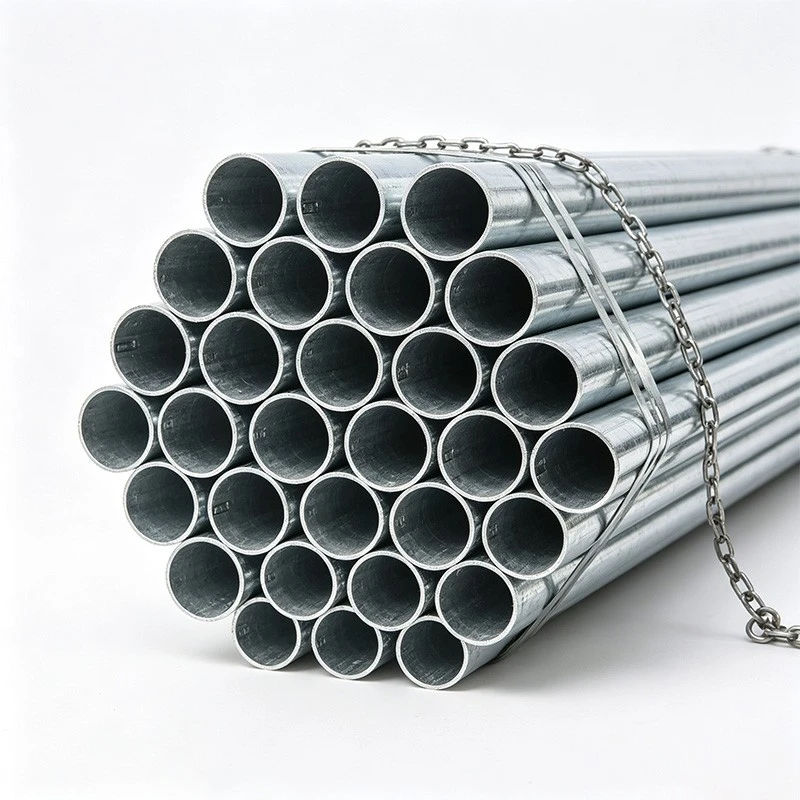
Metal guardrail posts, such as Galvanized Steel Guardrail Posts, C - Channel Guardrail Post, Galvanized Highway Guardrail Posts, I Beam Guardrail Posts, and Highway Steel Guardrail Posts, are renowned for their high strength and durability. They can withstand significant impact, making them ideal for high - traffic areas like highways. The inherent toughness of steel allows these posts to maintain their structural integrity even after multiple collisions, providing long - term safety.
On the other hand, plastic guardrail posts have made significant strides in recent years. Advanced polymers and composite materials are being used to enhance their strength. However, they generally have lower impact resistance compared to metal. In high - stress situations, such as a high - speed vehicle collision on a highway, plastic posts may deform or break more easily. This could potentially compromise the safety of the guardrail system.
Weather Resistance
Metal guardrail posts, especially those that are galvanized, have excellent weather resistance. The zinc coating on galvanized steel acts as a sacrificial layer, protecting the underlying metal from corrosion caused by moisture, salt, and other environmental factors. This makes them suitable for use in harsh outdoor environments, including coastal areas where saltwater can accelerate corrosion.
Plastic guardrail posts also offer good weather resistance. They are not prone to rust or corrosion, which gives them an edge in terms of long - term maintenance. However, they can be affected by UV radiation over time. Prolonged exposure to sunlight can cause the plastic to become brittle and lose its strength, reducing its effectiveness as a guardrail post.
Installation
Metal guardrail posts are often heavier and more difficult to install compared to plastic ones. They may require specialized equipment, such as cranes or drills, for proper placement. The installation process can be time - consuming and labor - intensive, especially in large - scale projects.
Plastic guardrail posts are lightweight, which makes them easier to handle and install. They can often be installed without the need for heavy machinery, reducing both installation time and costs. This can be a significant advantage for small - scale projects or for applications where quick installation is required.
Economic Aspects
Initial Cost
Metal guardrail posts are typically more expensive upfront due to the cost of raw materials and manufacturing processes. The price of steel fluctuates based on market conditions, and the galvanizing process adds to the overall cost. However, their long - term durability often means that the need for frequent replacements is reduced.
Plastic guardrail posts generally have a lower initial cost. The materials used in their production are less expensive, and the manufacturing processes are often simpler. This makes them an attractive option for budget - conscious projects.
Maintenance and Replacement Costs
As mentioned earlier, metal guardrail posts, especially those that are well - maintained, can last for a long time. However, if they do become damaged, repairs or replacements can be costly. The cost of removing and installing new metal posts, along with any associated labor and equipment costs, can add up quickly.
Plastic guardrail posts are relatively inexpensive to replace. If a post is damaged, it can be easily removed and a new one installed. However, due to their lower durability in high - stress situations, the frequency of replacements may be higher, which could offset the initial cost savings over time.
Environmental Aspects
Sustainability
The production of metal guardrail posts requires a significant amount of energy and resources. Mining and refining steel are energy - intensive processes that can have a large carbon footprint. However, steel is highly recyclable, and many metal guardrail posts are made from recycled materials. At the end of their life cycle, they can be recycled again, reducing the demand for new raw materials.
Plastic guardrail posts are often made from polymers, which are derived from fossil fuels. The production of plastic also has an environmental impact, including the release of greenhouse gases. However, some plastic posts are made from recycled plastics, which can help reduce waste. Additionally, plastic is lighter than metal, which can result in lower transportation emissions during delivery.
End - of - Life Disposal
Metal guardrail posts can be recycled at the end of their life, which is an environmentally friendly option. Recycling steel requires less energy than producing new steel from raw materials.
Plastic guardrail posts can be more challenging to recycle. Not all types of plastic are easily recyclable, and the process can be complex. In some cases, plastic posts may end up in landfills, where they can take hundreds of years to decompose.
Conclusion
So, can you use plastic guardrail posts instead of metal ones? The answer is: it depends. For low - traffic areas or projects with a limited budget and a focus on quick installation, plastic guardrail posts can be a viable option. They offer ease of installation, good weather resistance (with some caveats regarding UV), and a lower initial cost.
However, for high - traffic areas, such as highways and major roads, where safety and long - term durability are paramount, metal guardrail posts remain the preferred choice. Their high strength, excellent impact resistance, and long service life make them a reliable option for protecting lives and property.
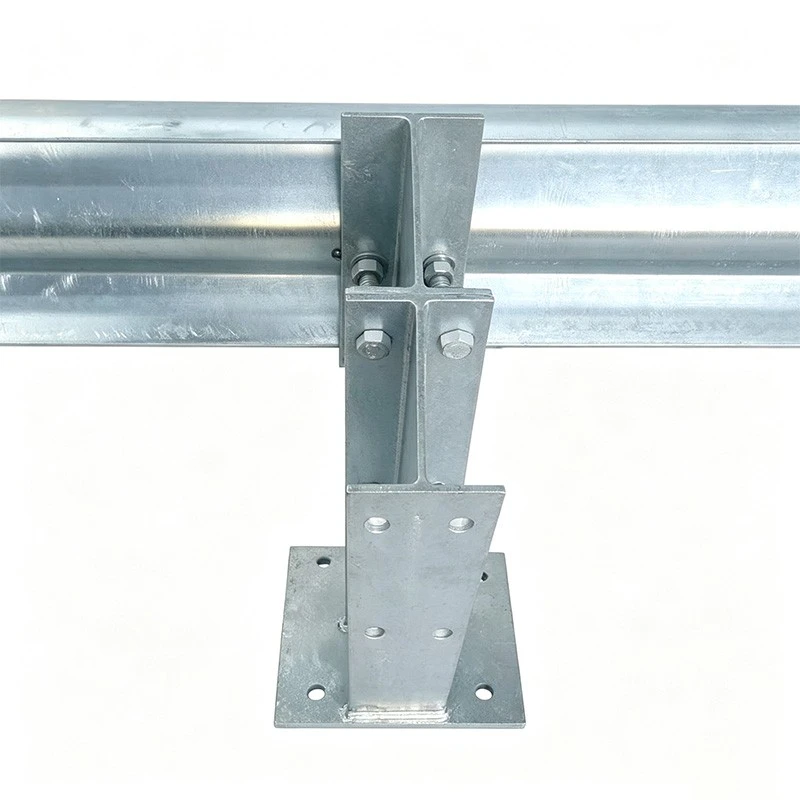
If you're considering a guardrail project and are unsure whether to choose plastic or metal guardrail posts, I encourage you to reach out. As a dedicated guardrail post supplier, I have the expertise and experience to help you select the best option for your specific needs. Whether you're looking for Galvanized Steel Guardrail Posts, C - Channel Guardrail Post, or any other type of guardrail post, I can provide you with detailed information and a competitive quote. Don't hesitate to contact me to discuss your project and start the procurement process.
References
- ASTM International. (Year). Standard specifications for guardrail systems.
- European Committee for Standardization. (Year). EN standards for traffic barriers and guardrails.
- Plastic Industry Association. (Year). Technical reports on plastic guardrail posts.
- Steel Manufacturers Association. (Year). Guide to the properties and applications of steel guardrail posts.